
Home Buyer Tips

Top 10 cities for first-time homebuyers in 2026

If buying your first home has felt harder lately, you’re not imagining it. With rising rates and costs, many buyers are looking beyond expensive markets and asking where homeownership still makes sense. A recent report highlights more affordable cities like Peoria, Fort Wayne, and Pittsburgh, where median prices are still within reach. For some, this opens the door to a new opportunity—selling in a higher-priced market and relocating to build more financial flexibility. If you’re thinking about making a move, I’d love to help you explore your options.

Watch It Here

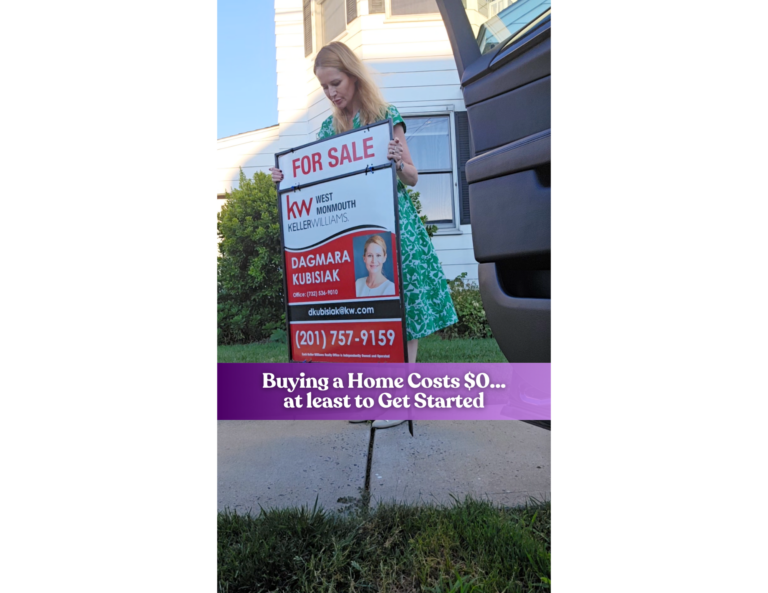
Buying a Home Costs $0… at Least to Get Started

Some of the most important steps toward homeownership do not cost anything at all. Building your credit, creating a budget, talking to an expert, and learning how the process works are all completely free, yet they can make a huge difference in your journey. The truth is, getting started does not require a big financial leap. It simply starts with taking that first step right where you are today.

Watch It Here

What Income Do You Actually Need to Buy a Home in 2026?

One of the biggest questions buyers ask is how much home they can truly afford. A common guideline is the 28% rule, which suggests keeping your monthly mortgage payment at about 28% or less of your gross household income. While mortgage calculators can help estimate a price range, the most important thing is choosing a payment that still feels comfortable for your monthly budget.

Watch It Here

Don’t Buy a Home Without Doing This First

Before you fall in love with a house, take some time to experience the neighborhood around it. Drive through at different times of the day, notice the traffic patterns, walk around if you can, and get a feel for the overall vibe. Picture what your everyday life would actually look like there—your commute, nearby stores, the noise level, and the sense of community. Because buying a home isn’t just about the house itself, it’s also about the neighborhood you’ll be calling home.

Watch It Here

Minimum income needed to buy a home in every state

Curious how much income it really takes to buy a home where you live? Across the U.S., the numbers vary more than many buyers expect. In some states, like Iowa, a household income of around $76K was enough to afford a median-priced home as of July 2025, while in others, such as Massachusetts, buyers needed more than $210K. The gap highlights how much location can influence what it takes to comfortably afford a home.

Watch It Here

If you asked me where to live in NJ, here’s what I’d say

From waterfront train access in South Amboy to the artsy energy of Red Bank and the timeless charm of Princeton, these New Jersey towns truly offer something for everyone. Whether you’re craving a tight-knit community like Sayreville, a walkable and vibrant vibe like Montclair, or a little mix of history, culture, and convenience, each town has its own personality. It really comes down to the lifestyle you want to wake up to every day.

Watch It Here

What age did people buy homes in 2025?

Homebuyers in 2025 look very different than before. First-time buyers are entering closer to age 40 with modest down payments and added financial support, while repeat buyers are nearing their 60s with stronger equity and larger offers, sometimes in cash. With shifting household trends, today’s market truly feels like a tale of two cities, but smart strategies can still help buyers move forward.

Watch It Here

What I’d Tell You BEFORE You Buy a House

You might want to save this list because buying a home starts before you ever tour a house. Check your credit score, save beyond your down payment, know your true comfort budget, and think long-term—not just right now. New Jersey’s market is still competitive and prices are holding strong, so smart planning really matters. Ready to make that dream home happen? Let’s talk.

Watch It Here

The #1 Regret Homeowners Have AFTER Buying

Buying a home isn’t just about the size, location, or layout. It’s about being ready for the costs that come after the keys are in your hand. Many buyers focus on the down payment and mortgage, then get surprised by everyday expenses like utilities, maintenance, taxes, and upgrades that add up quickly. Buying smart means thinking beyond the house and planning for the lifestyle that comes with it.

Watch It Here

Share This: